Hi,
Meet the other side of me.
Experience Widely.
Choose Deliberately.
Move Boldly.













0
0
Companies worked with
Learning happens by doing.
Since I was 19, I've intentionally sought hands-on experience across 12 companies and multiple design disciplines. Rather than following a single path, I chose diverse environments that challenged me to solve different problems, work with different people, and see design from new perspectives. Every role taught me something I couldn't have learned in a classroom.
Direction shapes impact.
As I moved from architecture to product management and eventually product design, I realized that execution alone doesn't create impact. A beautifully crafted solution means little if it's solving the wrong problem. The greatest leverage comes from choosing the right direction before making it perfect.


Growth begins where comfort ends.
I've studied, worked, and lived across three countries and ten cities, choosing unfamiliar paths over familiar ones—from changing careers to starting over in new places. Every leap expanded not only where I could work, but also how I see people, cultures, and the problems worth solving.
The same curiosity, different playgrounds.
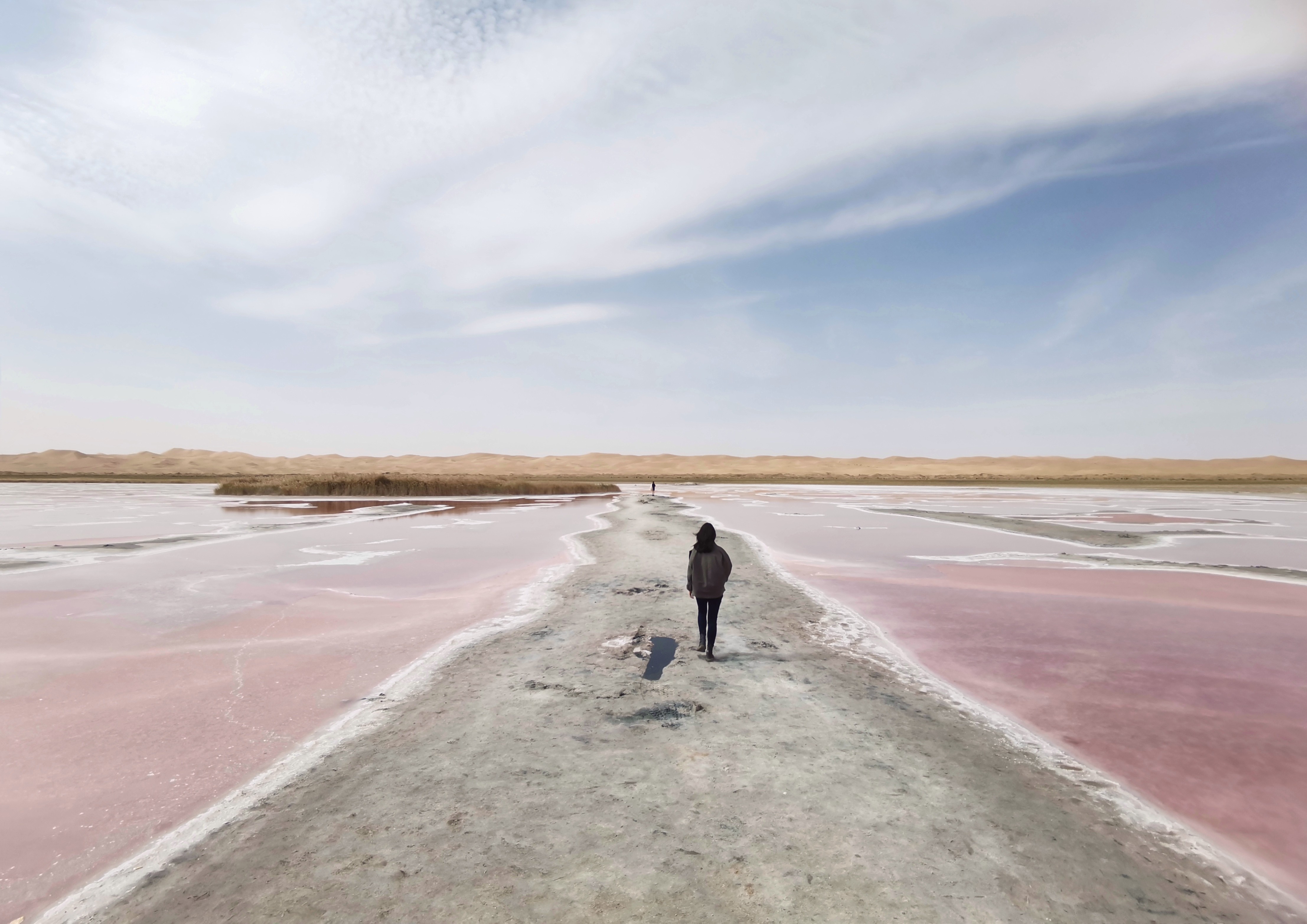
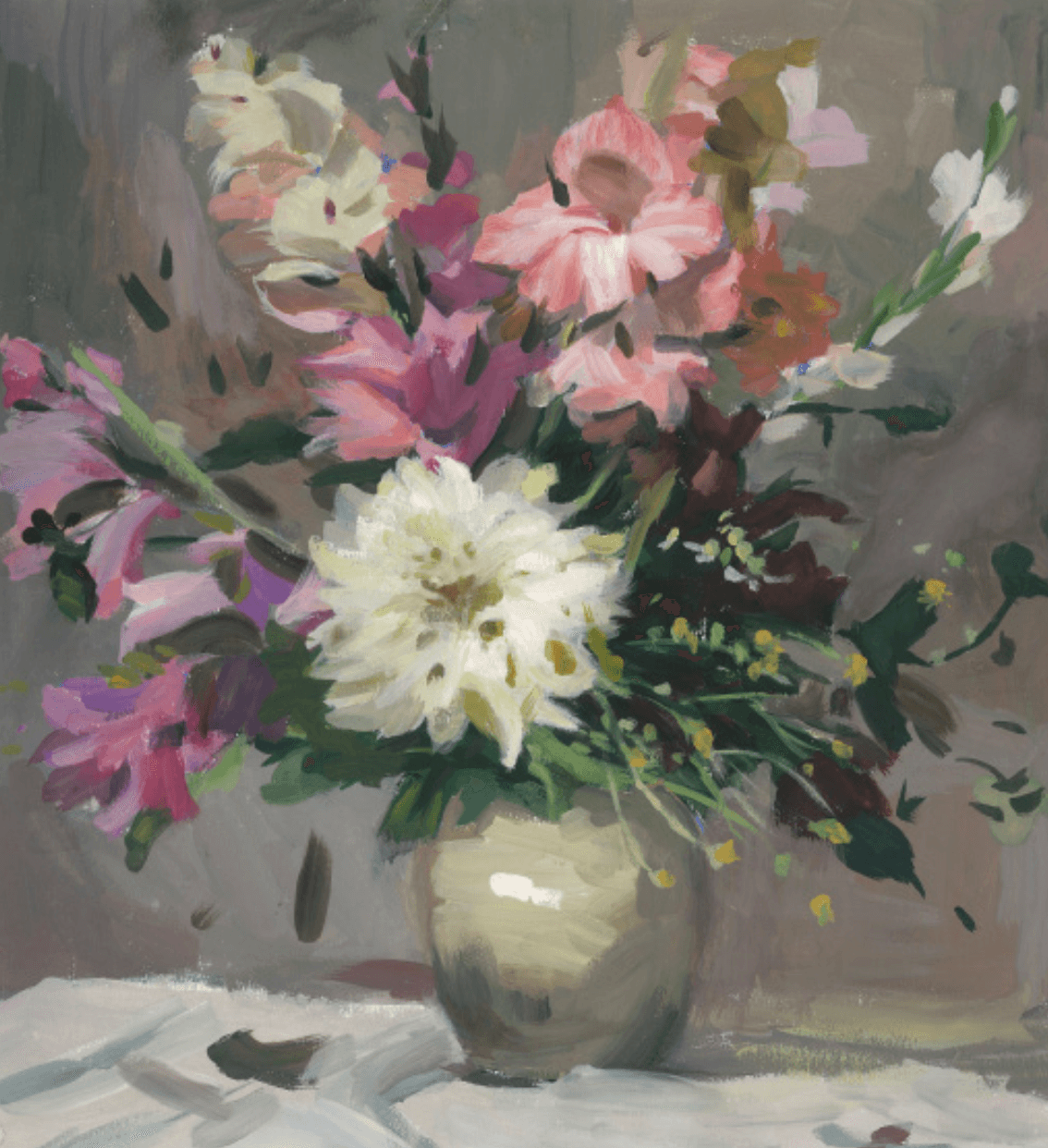
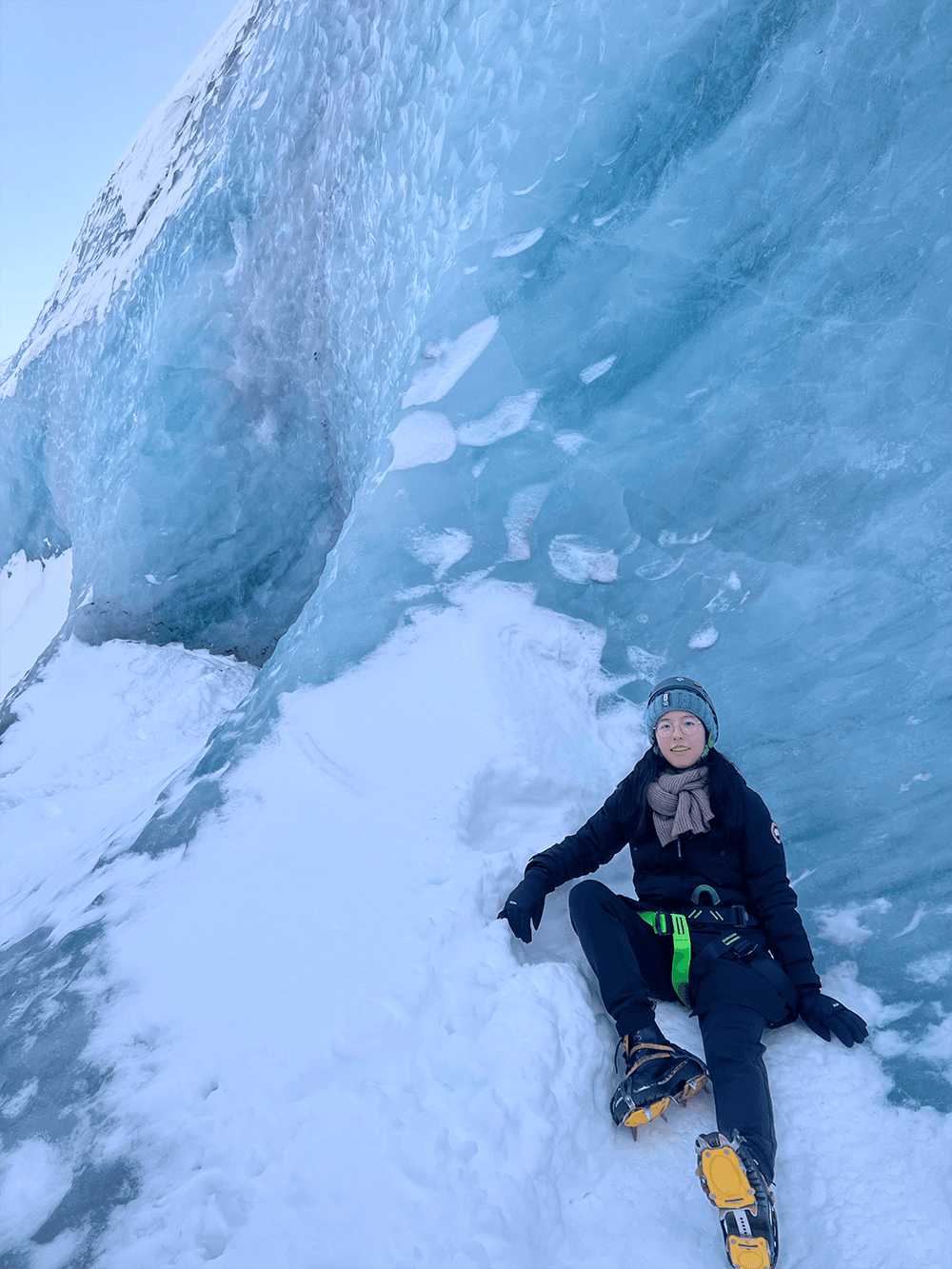
The way I learn, think, and explore doesn't stop at work. It naturally shows up in the things I choose to spend time on.